Sub-brow excision can effectively remove excess upper-eyelid skin through an incision beneath the eyebrow. If the indication is determined by looking at the eyelid alone, however, the postoperative brow position and overall facial expression may differ from what was expected.
Upper-eyelid heaviness may not be an eyelid-only problem
As the forehead and temples descend with age, the brows can move downward and transfer additional weight to the upper-eyelid skin.
Many people unconsciously use the frontalis muscle to lift their brows and maintain the visual field. When the forehead is relaxed during examination, the brow position and the fold of the eyelid skin may change.
If this compensatory movement is not assessed before skin removal, reduced frontalis tension after surgery may allow the brow to appear lower in its resting position.
Brow position can change the overall expression
When the distance between the eye and eyebrow becomes shorter, the eyelid may look cleaner while the overall expression appears heavier or more severe.
The following two AI-generated images have similar upper-eyelid definition and a similar amount of skin over the crease. The change in brow height alone, however, creates a noticeably different impression. Studies have also described this type of change when upper-eyelid laxity is treated without considering frontalis compensation and brow position.
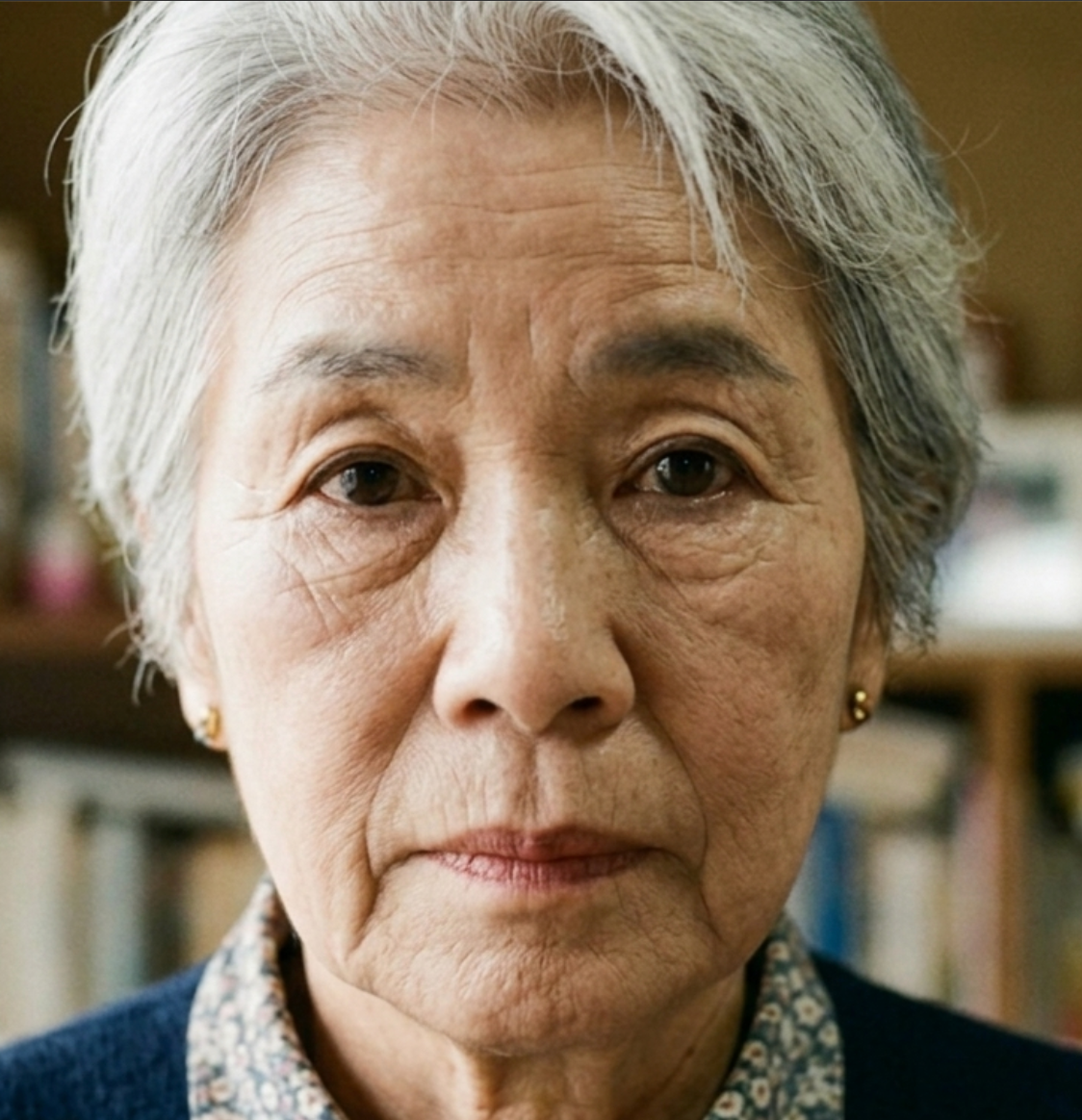
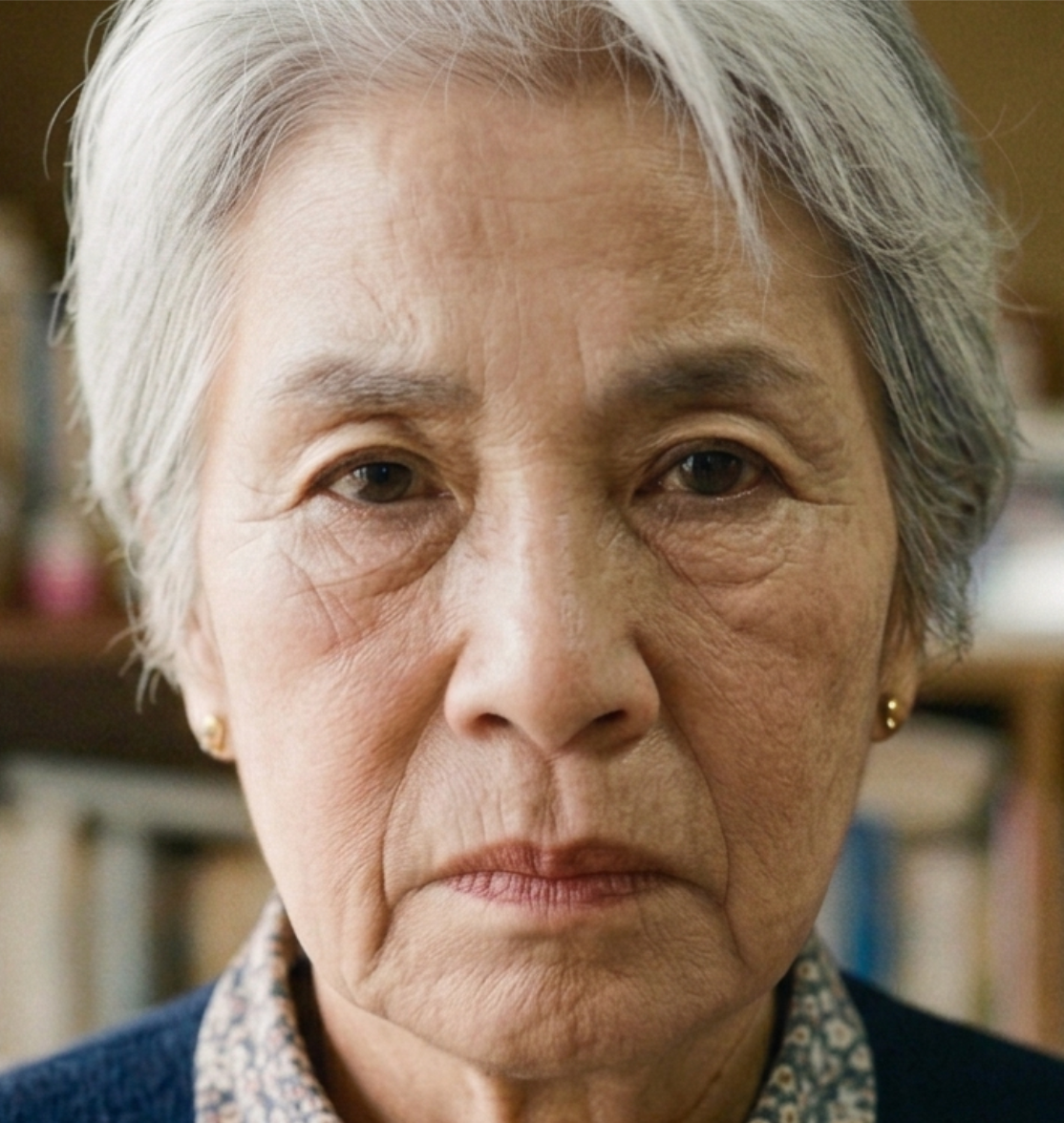
These AI-generated images were created only to illustrate how brow position can affect facial expression. They are not photographs of an actual patient and do not demonstrate a treatment result.
When sub-brow excision may be appropriate
This does not mean that sub-brow excision should be avoided. It can be a good option when the upper-eyelid skin is thick and redundant, brow position is well maintained, and placing the scar beneath the brow offers a meaningful advantage.
When the brow is already low, the brows are being elevated by frontalis compensation, or lateral forehead and temple descent is pronounced, sub-brow excision alone may not restore balance across the upper face.
What to evaluate during consultation
- Brow position with the forehead active and relaxed
- Eye-to-brow distance, asymmetry and brow shape
- Distribution of laxity across the central and lateral upper eyelid
- Continuity from the forehead and temple to the upper eyelid
- Scar location, recovery and the magnitude of change desired
Choose treatment according to the cause
If excess upper-eyelid skin is the principal cause, sub-brow excision or upper-eyelid surgery may be appropriate. If descent of the forehead and temple makes a substantial contribution, a forehead or temporal lift may be considered.
In many patients, more than one change is present. The treatment plan should then address the upper eyelid, brow and forehead as a continuous upper-face unit rather than as isolated areas.
Summary
The aim of treating upper-eyelid laxity is not simply to remove skin. It is to improve balance across the face while preserving a natural brow position and expression.